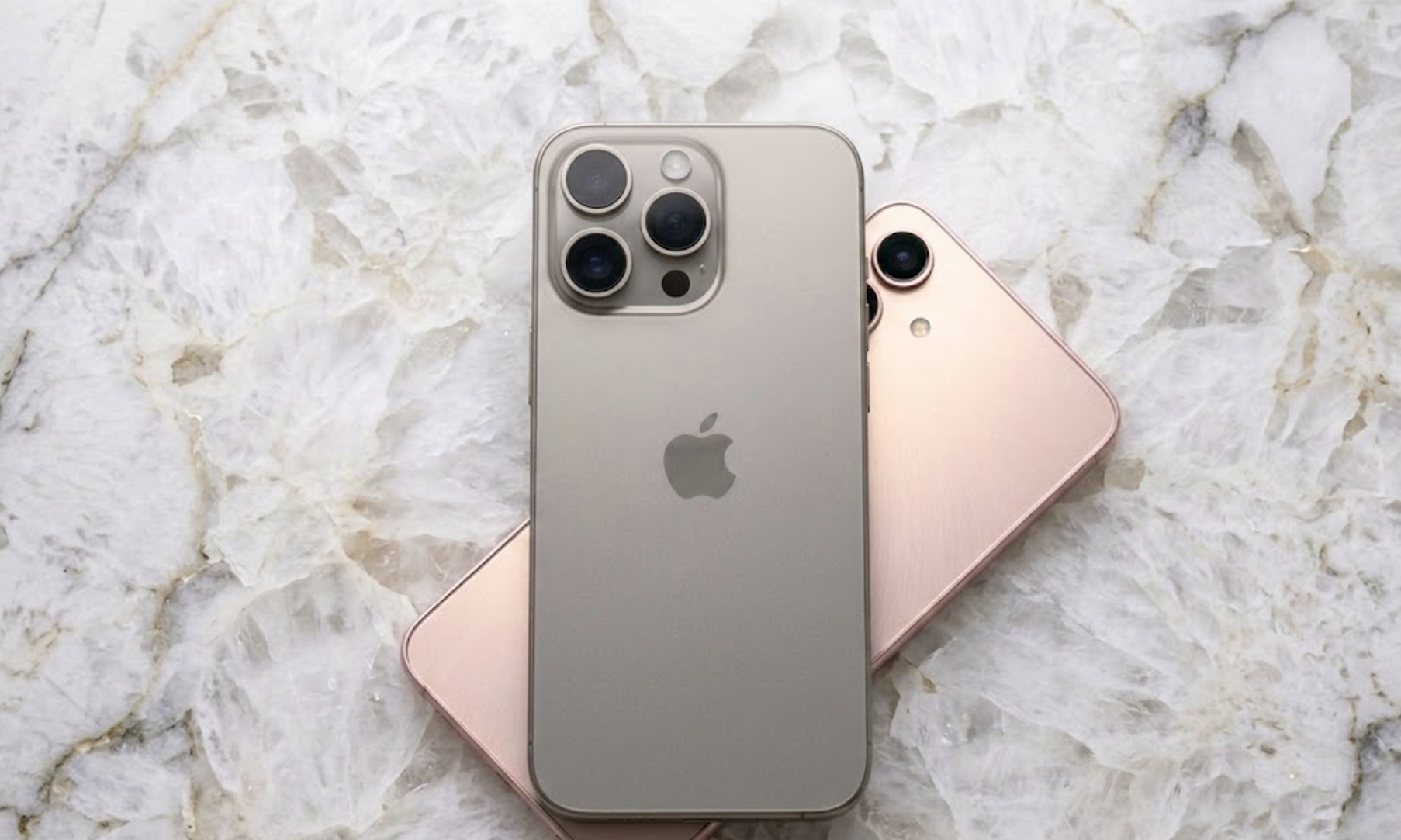

For over a decade, iPhone to Android transfer hasn’t been without substantial friction. Majorly due to Apple’s closed-off approach to ecosystem interoperability.
The walled garden (emphasis on “walled”), has been the defining feature of the Apple ecosystem. Moving into Apple was seamless. Moving out? Not so much.
Well, it seems that dynamic is starting to shift.
We started seeing expanded support for Quick Share, and then a Transfer to Android tool shipped quietly with Apple’s iOS 26.3 update.
So, is this a full embrace of cross-platform uniformity?—Not really.
Apple reducing the iPhone to Android transfer friction is more of a support line born out of strategic priorities.
Let’s look at what exactly is changing, why, and how it affects consumers (matters more than it may first appear).
But first, let’s go back in time.
Skip Ahead
Some Historical Context
Apple’s ecosystem advantage was built on vertical integration—hardware, software, and then services.
To make its ecosystem even more appealing, they included proprietary features for seamless intra-operability.
AirDrop, iMessage, iCloud, and open device connection across Mac, iPad, iPhone, and the Apple Watch.
An iPhone to Android transfer meant losing continuity.
For years since this integration, Android OEMs provided migration tools to ease the switching friction. But they weren’t without file sharing pains and data integrity concerns.
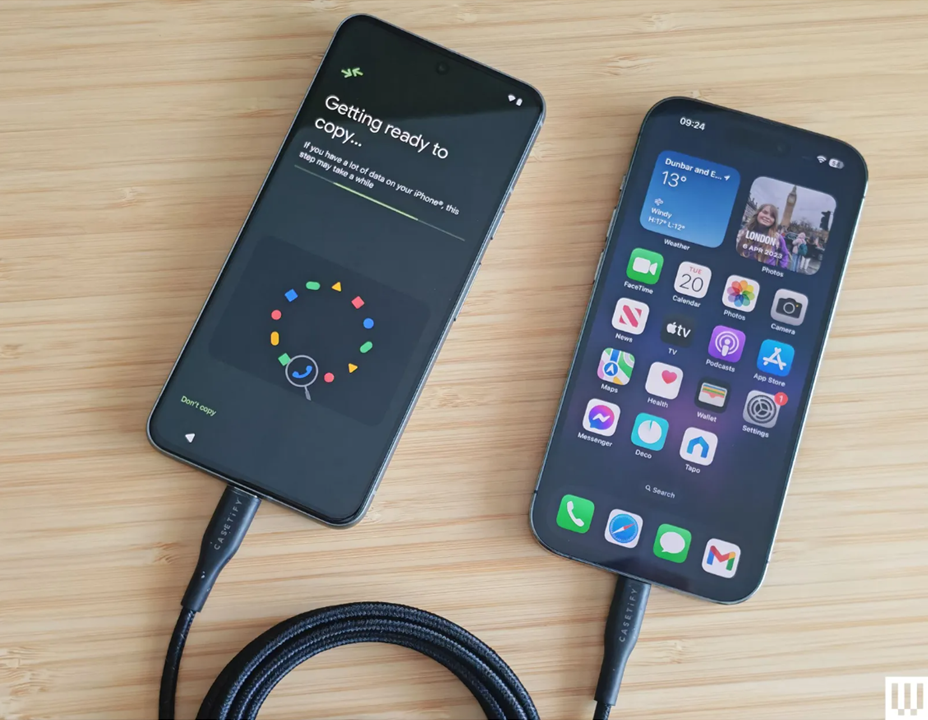
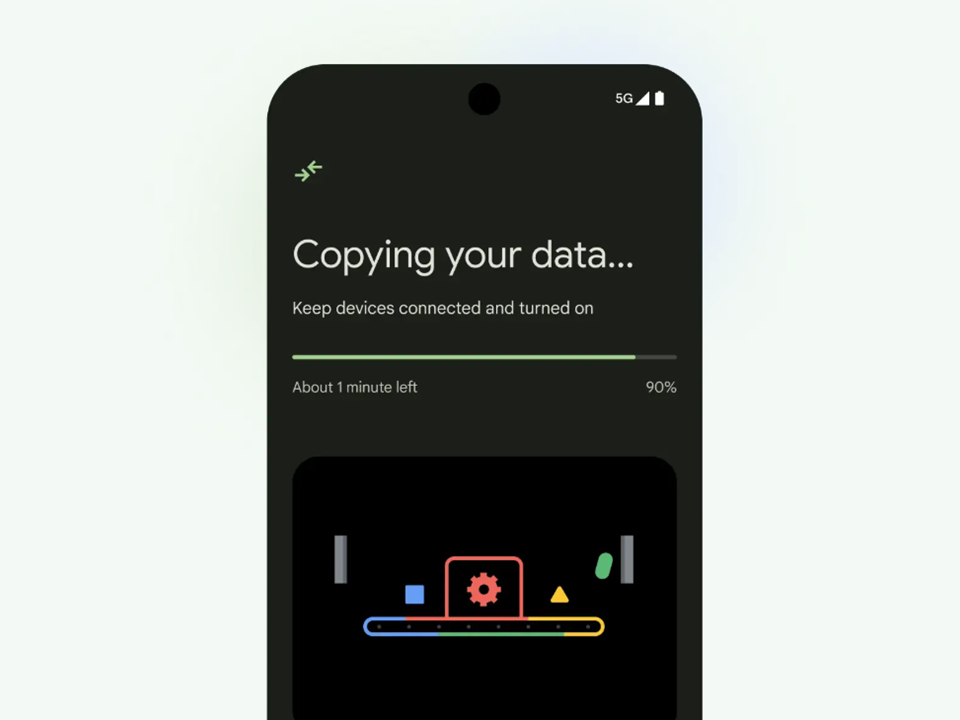
Fast forward to now—Apple supports Android’s cross-device sharing protocol (Quick Share), and integrates a workflow for iPhone to Android transfer.
What’s Changing Exactly?
For now, there are two major features that promote iPhone to Android transfers.
Quick Share and Air Drop Interoperability
Initiated by Google in November 2025, and initially exclusive to the Pixel 10 series, Quick Share worked directly with Air Drop. Users got:
- Easier file transfers between Apple devices and Android
- Less reliance on email or cloud uploads for basic sharing
- Reduced social friction in mixed-device households
- Expansion to more Android devices announced in February 2026
This win for iPhone to Android transfers is significantly meaningful in North America, where a strong Android market share coexists with iPhone dominance.
Transfer to Android Tool
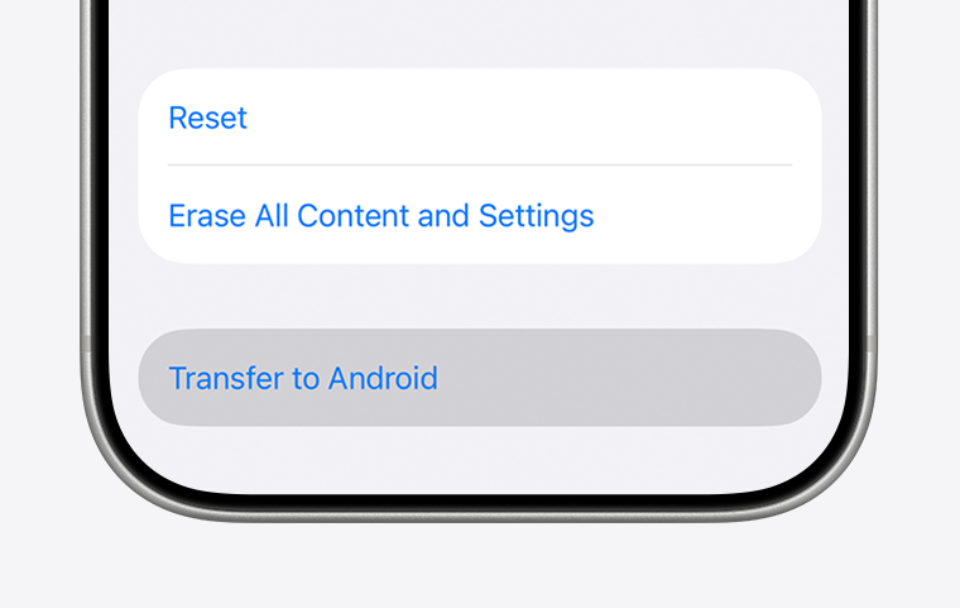
Coming later in February 2026, and implemented by Apple this time around, the feature was embedded in the Settings in the public release of iOS 26.3. Users get:
- Data migration capabilities directly to an Android device without third-party apps.
- Better structured and less error-prone iPhone to Android transfers
- A more simplified and automated switching and setup process
- Reduced perceived risk through simplification
Historically, this process required multiple manual steps and third-party workarounds.
Why the Changes?
There are three major forces now, that drive the support for streamlined iPhone to Android transfers. And I’ll try to line them up based on perceived levels of impact.
Regulatory Compliance
Information points towards digital markets regulation—particularly in the EU.
Pushing the tech giants (Apple and Google) towards interoperability, and improved data portability.
Consumer Preference
Modern smartphone buyers increasingly value the freedom to switch platforms, avoid “lock-in”, and access a broader range of services.
Retention matters, but reducing friction for iPhone to Android transfers improves brand perception—signaling confidence rather than insecurity.
Market Maturity
Lock-in strategies are not as effective as they once were.
Smartphones are no longer high-growth markets and the Device-as-a-service mindset is slowly creeping in.
How Are Consumers Affected?
This trend of improved workflows for iPhone to Android transfers has significant benefits to consumers, so let’s look at some of them.
Performance-Based Loyalty
Loyalty becomes performance-based—not friction-based. This is a huge win for consumers and increases leverage at purchase.
There’s also a lower switching risk as consumers can now evaluate multiple cross-platform devices with less anxiety about lost data.
Healthier Market Competition
Competition promotes innovation, period. With ecosystems opening up, manufacturers must compete harder across the board.
Ecosystem features, hardware design, and software services all get more thorough deliberation, and pricing gets more aggressive.
Whether we get faster iteration cycles or not, consumers still benefit.
Reduced Social Fragmentation
Families, friends, and workplaces often use both iOS and Android. Improved iPhone to Android transfers help normalize mixed-platform groups.
The previously adopted RCS protocol by Apple helped boosted file-sharing and chipped away at messaging lock-in and exclusivity.
Are There Drawbacks?
I can’t think of a lot of disadvantages arising from improved workflows for iPhone to Android transfers.
Stuff like experience gaps and soft lock-ins (platform-specific app services) remain. Proprietary data, like health data are sensitive and might still need a unique migration protocol.
Consumers just need to understand the trade-offs when choosing a platform or switching.

Takeaways
I think ecosystem lock-in is not going away entirely, but the narrative is changing.
It’s less about trapping users—and more about supporting portability, while incentivizing loyalty (by boosting ecosystem features or providing device-specific capabilities).
Consumers though, can now rest easier knowing that switching costs are becoming more operational rather than emotional.
Thanks to interoperability transitioning from a niche demand to a mainstream expectation.
Is this the end of forced loyalty? We are certainly close, as brands get to earn consumer loyalty and you now have more negotiating power as a buyer than you did a few years ago.
What do you make of the updates? Be it RCS, Quick Share or the Transfer Tool—let me know in the comments. 👇