
Overview (Generated by Yoast)
- Global version phones are designed for international markets, offering better software support and network compatibility.
- Chinese versions are cheaper but lack global features and may have limited network performance.
- Global ROMs provide a balance but may involve risks like warranty voiding and inconsistent software.
- Consumers prioritize flagship hardware with reliable firmware, leading to distinct market segments.
- Understanding these versions helps buyers make informed choices when selecting global version phones.
If you’re like me and have purchased a global version phone from AliExpress (or some other platform).
You probably encountered other terms like Global ROM and Chinese Version.
They must have got you wondering—is this about some regulatory compliance? Or is it just disclosure around regional software.

You’d be right on both counts. But there’s more, and it’s important to understand what they are prior to purchase.
In addition to the global version phone, we will look at the origin and meaning of the Chinese Version and the Global ROM.
Skip Ahead
What is a Global Version Phone?
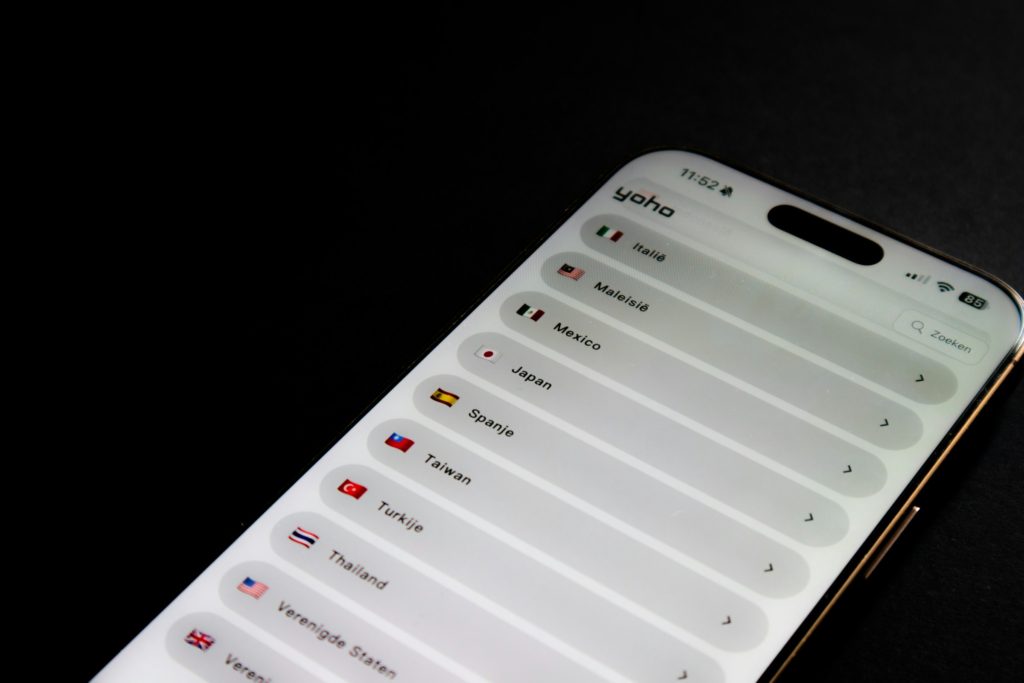
To keep it simple, a global version phone is a smartphone manufactured and distributed by the brand, for global markets.
Chinese brands like OnePlus, Xiaomi, and Honor are examples of companies than release some of their phones for markets outside of China.
They need to take additional steps to ensure that these phones can be marketed to international consumers.
As an Android user, a global version phone should mean that it is eligible for Google’s pre-installed APIs (also known as GMS).
It should also have multilingual software, wider network compatibility, and eligibility for official OTA updates, all packaged in an official global firmware.
A good tell for a global version phone is the CE and FCC markings usually etched on the phone back, demonstrating EU and US regulatory compliance.
Now let’s look at some of the benefits and drawbacks.
Global Version Consumer Benefits
- Software support for global version phones is more in line with global expectations
- Wide band compatibility translates to more reliable network performance
- Better resale value in North America (than the Chinese version or global ROM)
- Better OS and app compatibility
Global Version Drawbacks
- Comes at a premium (over the Chinese version and global ROM)
- Launches later that the Chinese versions (by a month or more in most cases)
Exploring the “Chinese Version” (CN)
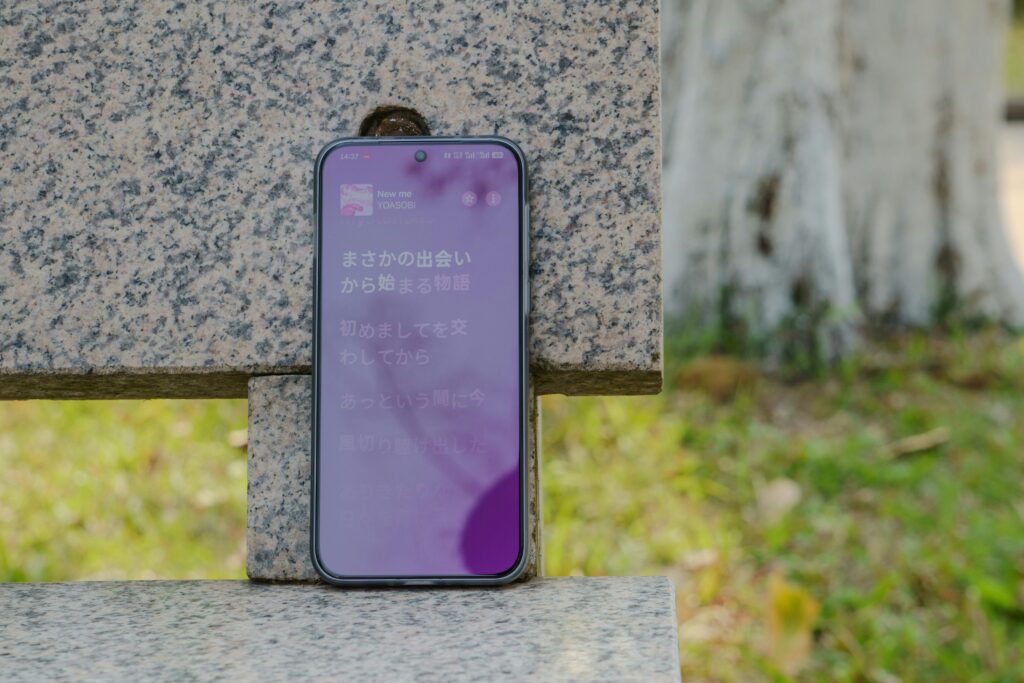
Chinese Version (Sometimes called the China ROM, Official or Original) is firmware designed solely for the China market.
Unlike global version phones, they aren’t subservient to international regulations or expectations.
You’ll find more China-exclusive models from brands like Vivo and Oppo, some of whose phones might never be released globally.
Huawei on the other hand, is a unique case. Even though they release global version phones, their devices still lack Google Mobile Services because they run on Huawei’s proprietary software suite.
As a consumer, don’t expect native Google services, global firmware, multi-language integration, or global apps.
So, what are the benefits then?—you might ask. Well, there are a few.
China Version Consumer Benefits
- It’s usually the most affordable pathway to flagship specs
- China version phones usually have higher-spec hardware, especially when it comes to battery capacity.
- They are released by the brands first. That’s great news for early adopters.
China Version Drawbacks
This will mainly comprise of opposites of the benefits you get with global version phones.
- Limited network compatibility can lead to poor network performance overall (you’ll have to research your provider’s essential 4G and 5G network bands)
- Inconsistencies with notifications
- Poor resale value compared to global version phones and global ROM, due to user scepticism and low adoption
- Rigorous setup process to integrate Google’s services
So, Where Does the Global ROM Fit?
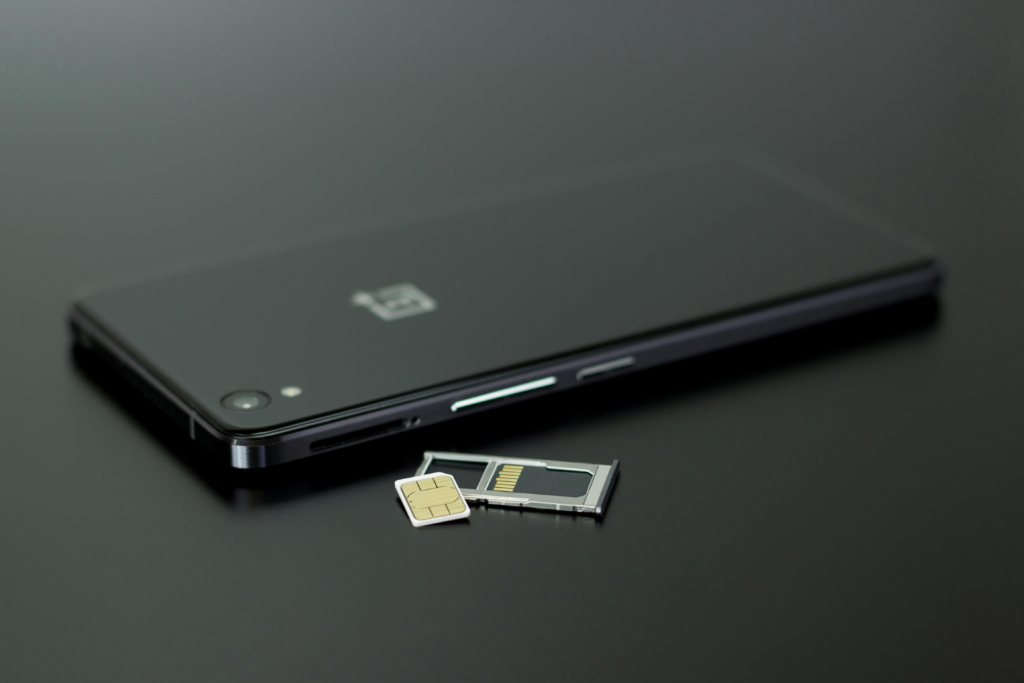
Right in the middle. A Global ROM smartphone is not a global version phone. It’s more like a Chinese Version that has been flashed with international firmware.
The firmware flashing is usually unofficial and performed by resellers—something to look out for when purchasing a global ROM.
I bring this up because resellers will often market global ROM as a global version phone or simply “Global”. Make sure you confirm with the seller.
A common tell is that the box will have to be opened prior, to access the phone and flash it.
In other cases, the box contents will differ from the contents of the official manufacturer’s version (often less items—maybe missing the power adapter).
Global ROM Consumer Benefits
- You don’t pay the entire firmware premium that’s associated with the global version phone.
- It’s just a little pricier than the CN Version (usually to cover reseller margins).
- Since resellers purchase the Chinese version, they can turn it around quickly for early market access to consumers.
- You get a lot of the benefits of global version phones—caveats in the Drawbacks section.
Global ROM Drawbacks
- You might not get authentic firmware and experience inconsistencies with the bootloaders.
- Warranties can be voided. Confirm with the seller if the manufacturer’s warranties are still valid.
- Due to the drawbacks above, manufacturer software and security support can be at risk.
Why Did These Versions Emerge?
Well, let’s take it from the top (the Chinese Version).
Chinese Innovation
Brands started prioritizing regional launches in China when they became a major smartphone market in the 2010s.
This boosted localized innovation and led to chip vendors restructuring their workflow to meet demand by supporting rapid iteration.
This is the short version of how the China-first innovation cycles and versions came to be.
Regional Services and Market Culture

The rise of global version phones was due to firmware fragmentation—a direct result of the China-first innovation that lacked integration of global services.
China’s version of the Android ecosystem relies on local app stores and cloud services, while the direct opposite can be said about global version phones and ROMs.
To better appeal to global consumers, there had to be a way to integrate global services—that’s how the Global Version and Global ROMs were born.
Global version phones were an official effort by the manufacturer, while the global ROM spawned from market culture (the need to save money and avoid delays).
Resellers quickly responded to close the gap by flashing ROMs and offering a third option.
The Network Gap
Smartphones need networks to function. Networks are provided by Carriers. Carriers have varying frequency bands and regulatory commitments.
Frequency bands and regulatory commitments are region-dependant, leading to further segmentation.
This is a major factor that triggers the need for global version phones and the global ROM.
Takeaways From Firmware Categories and the Global Version Phone
We’ve seen before that consumers are increasingly pushing back against a one-size-fits-all idea.
We’re humans first. And we’ll always find a way to get what we think we deserve.
In today’s smartphone market, that narrative has led to a higher demand for flagship hardware to be paired with reliable firmware.
Overall, it has resulted in increased transnational purchases. However, if your wallet will be crossing borders, consider the following.
- Global Version will be the safest, most reliable and seamless experience.
- Global ROM is the enthusiast’s compromise—a way to get new tech quickly.
- Chinese Version will be the cheapest access to new hardware, if you can live with the trade-offs.
Since mobile innovation isn’t cooling down and the conditions that led to these ecosystems haven’t evolved either, it seems that these global firmware categories will stick around for the foreseeable future.
I would like to hear from you. Have you been caught in the fragmentation before? Leave a comment.