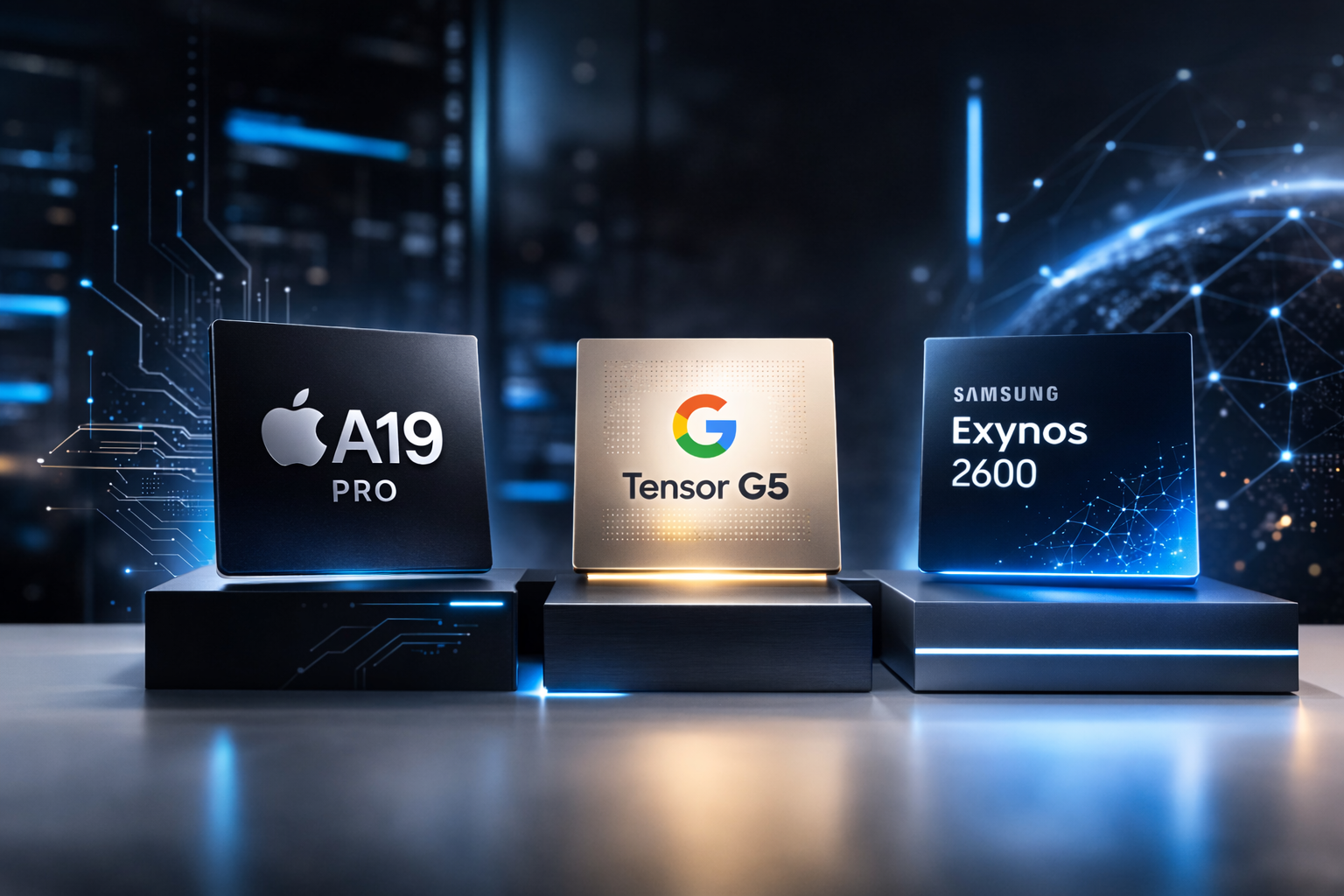

Major mobile tech brands like Apple, Google, and Samsung have accelerated their transition to proprietary chipsets over the past decade.
Though Samsung and Apple aren’t strangers to custom chipset architecture, it was about a decade ago that Google decided to toss their hat in the ring.
If you are trying to understand the reasons behind the shift to proprietary chipsets and what that means for the product in your hands, you’re in the right place.
I used to think it bordered majorly around patent economics and licensing costs, but turns out there’s much more.
So in this post, we’ll do some digging to uncover the other pieces and their impacts on our mobile ecosystem.
Skip Ahead
Some Historical Context
Chipset design and manufacturing is expensive, and has been since the early 2000s.
It made more economic sense back in the day to outsource it to the pros—Intel and Qualcomm were chip production giants that benefited immensely from this structure.
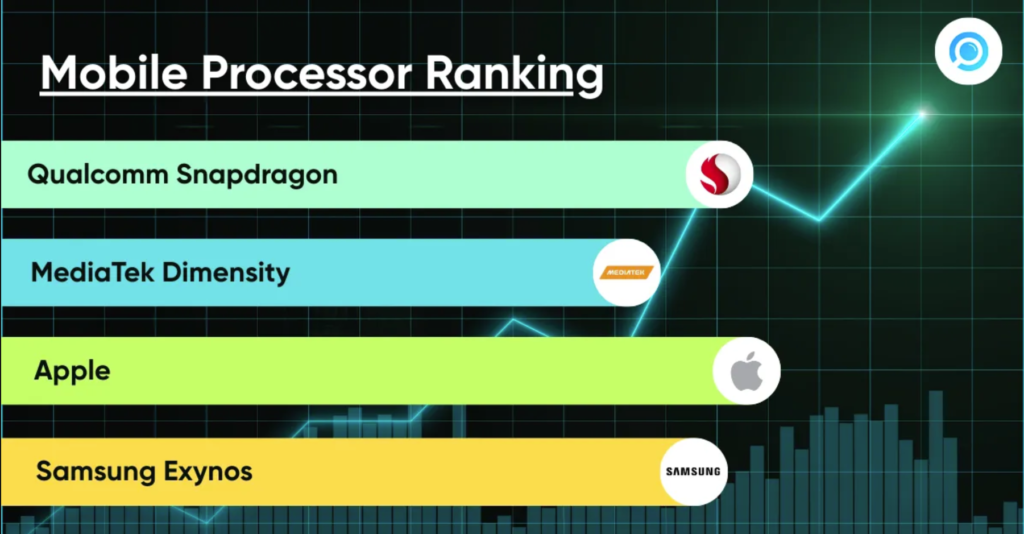
Prior to the inception of proprietary chipsets, most Android OEMs relied on Qualcomm’s platform.
The Outliers were Samsung and Apple—their custom chipset journeys date back to 2009 and 2010.
The Transition
Though Samsung started earlier, the shift was triggered by Apple’s performance lead in the mid-2010s powered by their A series chips.
Samsung continued to source silicon from Qualcomm while developing their proprietary chipsets, but Apple had a different vision—a chip specifically designed for the iPhone.
Chip priorities were also evolving at the time, due to an increase in AI and Machine Learning workloads.
In the end, Apples’ successful model set an example that major players would eventually follow.
The Present
Fast forward to the early 2020s—silicon is no longer considered a third-party component, but is now established as a strategic fort.
Popularizing proprietary chipsets meant that manufacturers would design the silicon, optimized it, and optimize the user experience around it.
Apple had proved that this workflow was most efficient and even more seamless when completed entirely in-house.
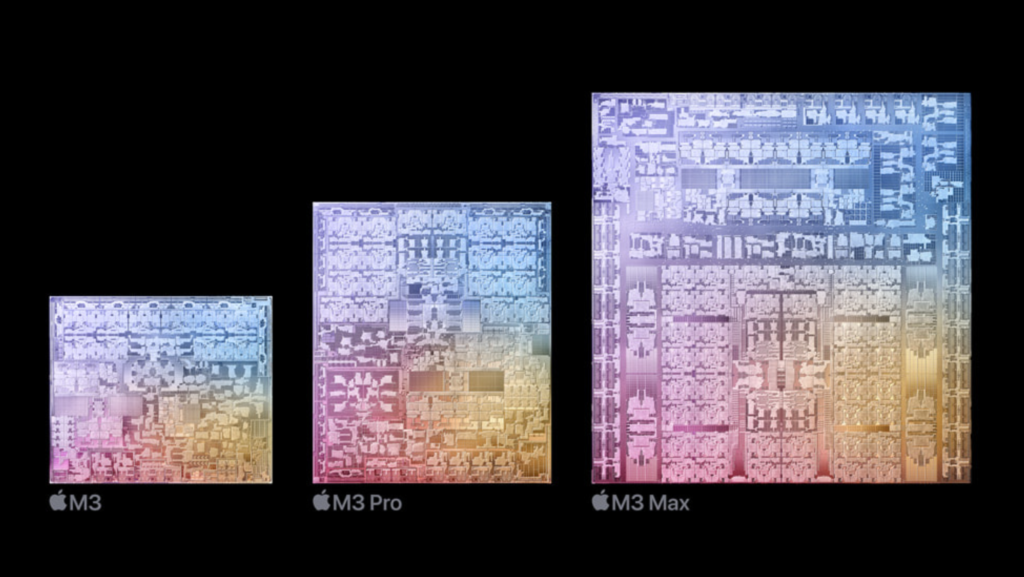
So, Google launched Tensor, and Apple doubled down on its proprietary chipset strategy with the M-series chips for Macs.
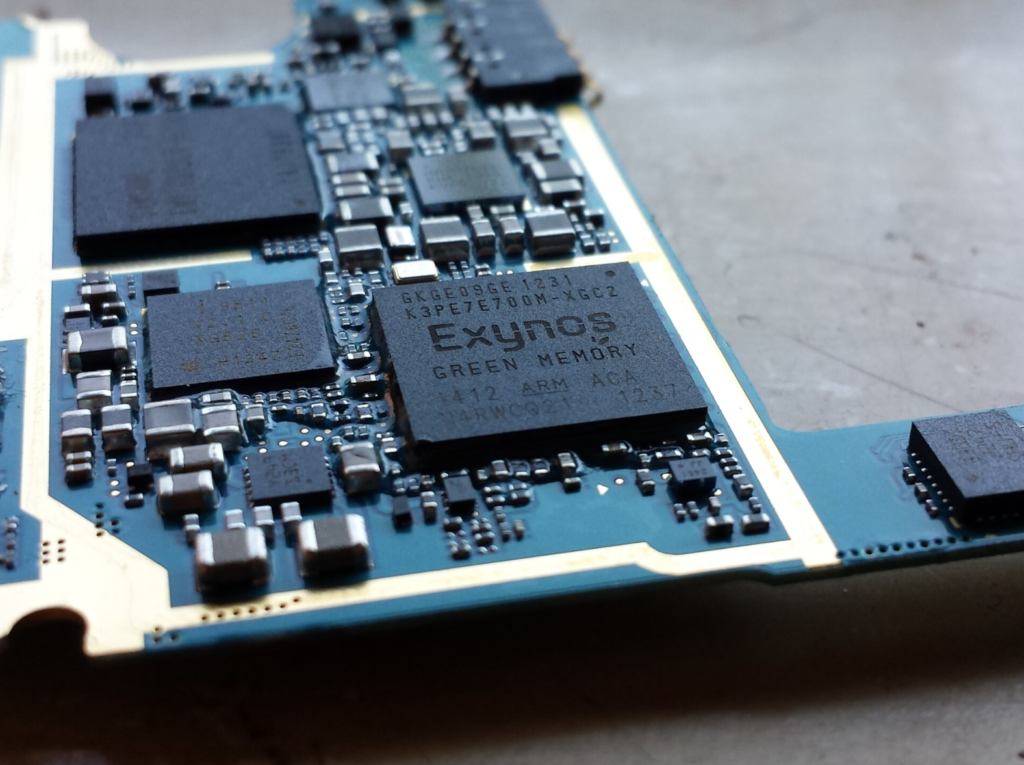
Samsung on the other hand, currently splits their lineup between Qualcomm and their proprietary chipsets—Exynos.
What’s Fueling the Shift?
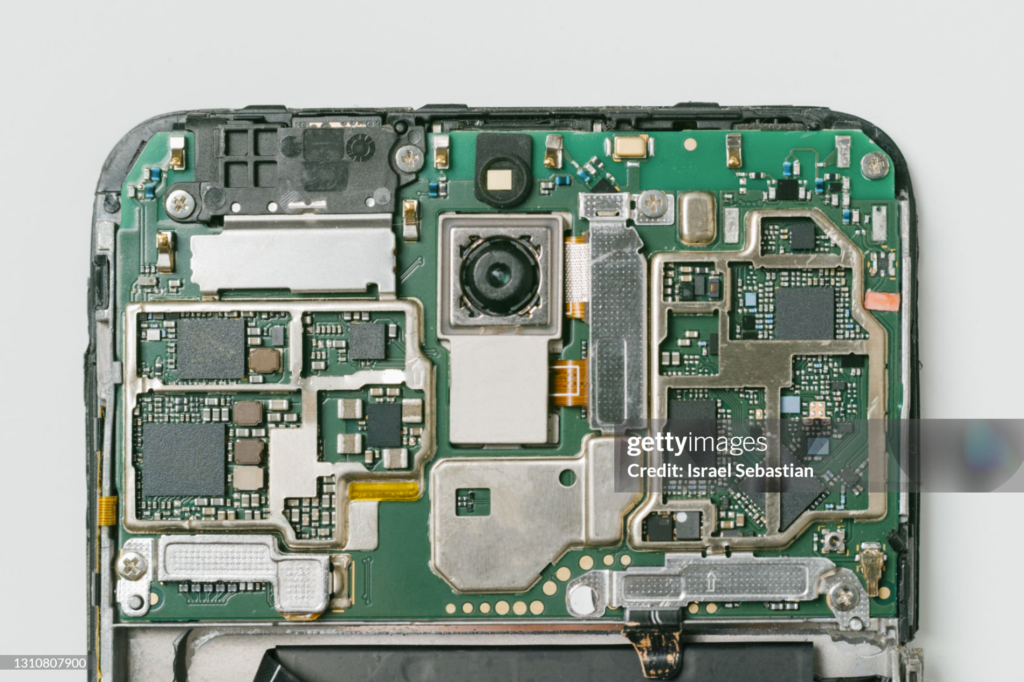
Let’s cut right to the meat of the matter—Control. Generic chipsets aren’t particularly great for software and hardware integration.
As a result, they couldn’t really satisfy tech giants’ motivation to control the full stack.
Vertical Integration
Integration of the supply chain, in the business of SoCs, enables brands to design their own chipsets.
Meaning they could finally optimize proprietary chipsets specifically for their OS, precisive power to hardware management, and specific device workload optimization (camera, AI, graphics).
The elevated user experience and real-world efficiency that Apple devices achieved were difficult to replicate using off-the-shelf chips.
I guess the industry got the proof it needed to give more credence to this model.
Supply Chain Leverage
This is a direct benefit of supply chain integration for companies that adopt proprietary chipsets.
Taking back one more workload under your roof reduces dependence on third-party silicon vendors and the risks that come with it.
The recent global chip shortages showed companies that they needed more predictable product roadmaps and stronger negotiation leverage.

Distinction in AI Innovation
Proprietary chipsets allowed tech brands to standout.
In the sea of modern smartphones that adopt MediaTek and Qualcomm chipsets, it pays to say “our unique processor enables AI features you won’t get anywhere else”.
Moreover, modern devices are progressively prioritizing AI, and there’s an increased need for processing units essential for on-device AI.
Proprietary chipsets like Google’s Tensor is a great example that prioritizes this workload over benchmark performance, to reinforce features like photography and agentic AI.
Ecosystem Reinforcements
This feels like one of those by-products that morphs into a major advantage for tech giants, and a pain to some consumers.
With proprietary chipsets, companies can build deeper ecosystem integrations.
These are platform-specific optimizations that provide a suitable foundation for developing proprietary device-to-device features.
Overall, they strengthen brand ecosystems. The by-product? You guessed right—ecosystem lock-in.
Proprietary Chipsets and the Consumer’s Perspective
The brand shift to proprietary chipsets is essentially a move to ecosystems for consumers.
It’s worth mentioning though, that ecosystems are not as “walled” as they once were, thanks to trending ecosystem interoperability.
However, like two sides of the same coin, benefits can come with drawbacks. Let’s look at both for a bit.
| Benefits for Consumers | Drawbacks for Consumers |
|---|---|
| Better real-world performance and Efficiency. | Ecosystem lock-in—the deeper the integration, the deeper the friction, unless cross-platform interoperability is maintained. Increased dependence on specialized repairability, which can translate into increased repair costs or outright obsolescence. |
| Unique and specialized features and innovation. | Varying performance—proprietary chipsets prioritize internal strategic features (e.g. Tensor prioritizes AI over raw performance). |
| Improved security and extended software support due to an optimized and more stable stack. | Questionable collective advancement—when breakthroughs become trade secrets, does the entire industry benefit? Are we slowing overall advancement in essence? |
| More On-device AI and improved privacy. | E-waste and Divergence—potential abandonment of dependent software and hardware if chip support is terminated. Increased developer fragmentation as architectures diverge. |
Bottom Line
So, unlike my initial notion, turns out that the rise of proprietary chipsets is actually less about costs.
Strategic control over ecosystem and workload optimization, supply chain, unique silicon roadmaps, and overall user experience, are the key motivators.
Thankfully, as of today, the positives are more tangible. But it’ll be interesting to see how the trade-offs will play out over time.
As a consumer purchasing a device with a proprietary chipset (mainly an iPhone or Pixel, for now), you’ll benefit from the upsides.
Still, the longer term holds trade-offs that we all need to consider and accept.
Any thoughts? This one is kind of bitter-sweet for me, but it’d be interesting to see from your perspectives.