
Overview (Generated by Yoast)
- Global smartphones in North America face challenges due to past regulatory issues and carrier gatekeeping.
- Brands like Nothing and OnePlus are emerging, targeting mainstream retail rather than relying on carrier partnerships.
- Consumers enjoy increased choices, notably mid-range options with appealing designs and competitive specifications.
- Access to global smartphones provides lower pricing pressure on established brands like Apple and Samsung, promoting innovation.
- Despite uncertainty, the push for global smartphones offers North American users more options, but long-term reliability remains a concern.
Establishing the presence of global smartphones in North America’s retail has felt like a pipe dream for a long time.
We’ve had Apple and Samsung pretty much dominate the market since the mid 2010s.
Though it’s good to see Google step up their game, I can’t help but wonder if we’ll ever see more smartphones from global companies lining shelves in North America.
After all, they often come with higher specs and lower price tags. In some cases (like with Nothing and Redmagic), they offer a more diverse design aesthetic.
Thankfully, the “global smartphones in North America” dream isn’t completely dead.
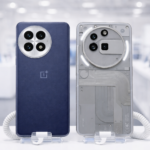
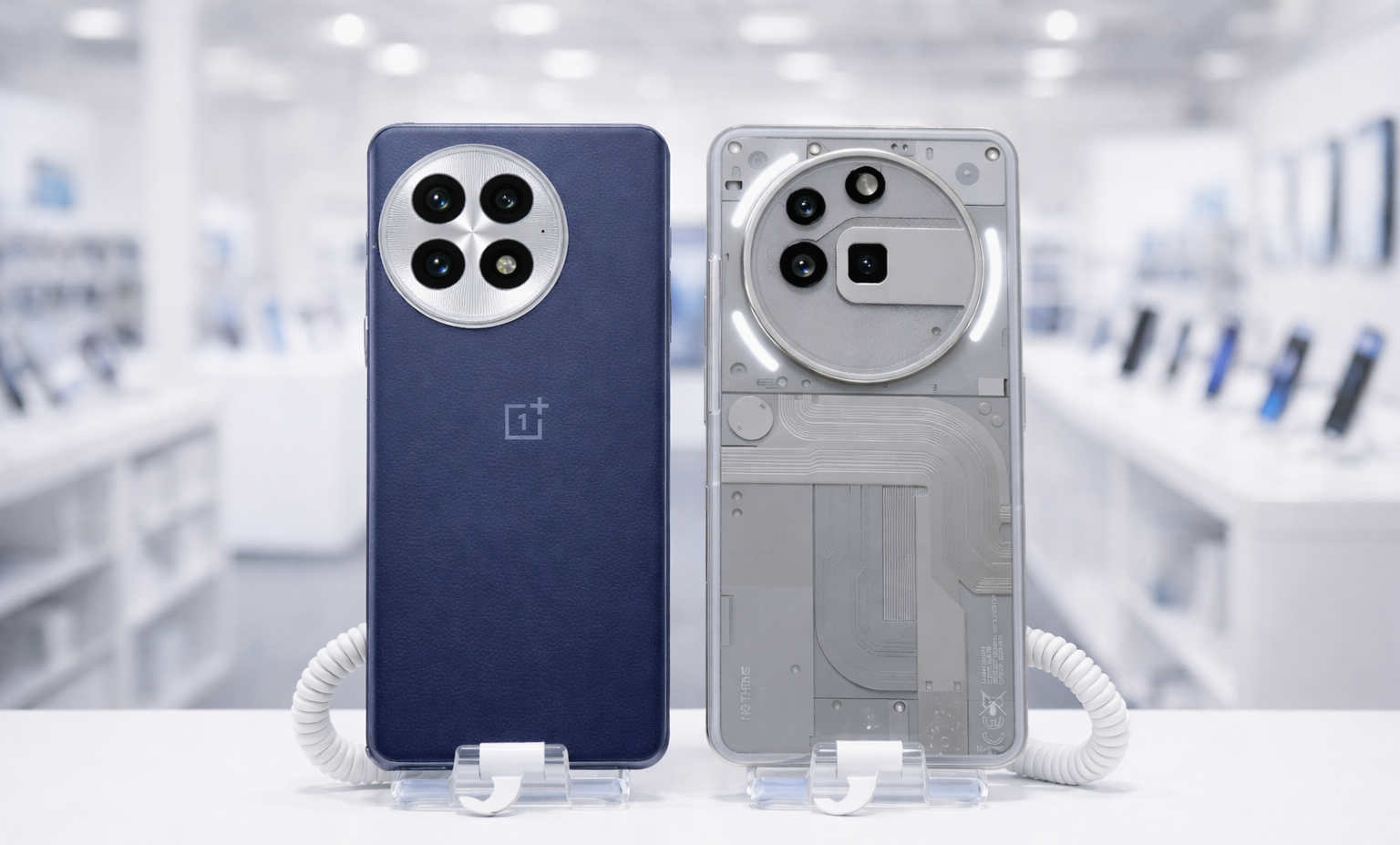
We now have brands like Nothing and OnePlus reappearing, in what seems to be a more strategic push from brand website availability to mainstream retail.
After years of constrained access, is it any different this time around? Well, this shift is a good start, but there’s more—let’s get into it.
Skip Ahead
Global Smartphones in North America: Shift or Cycle?
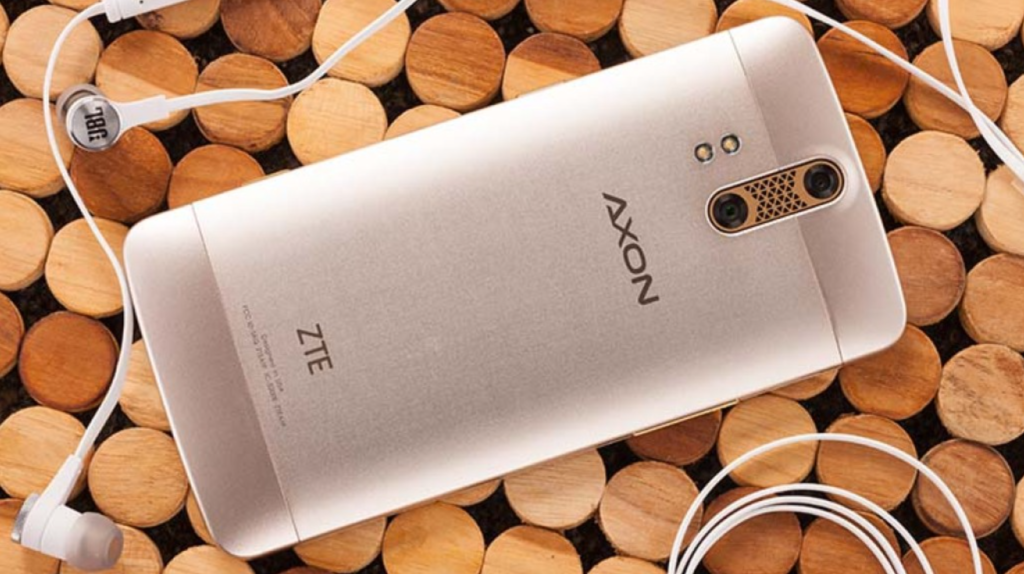
The things is, this isn’t the first effort at setting up global smartphones in North America’s retail market.
We’ve had entry attempts in the past that were stifled by carrier gatekeeping and regional regulatory probes.
Efforts from Huawei and ZTE were halted entirely, due to security concerns in 5G technology and the telecommunications supply chain.
Clearly, not all global smartphones made it to North American shelves, but their efforts changed the landscape.
Let’s look back a little farther to establish some perspective prior to the U.S. sanctions in 2018;
- ZTE became the fourth-largest smartphone supplier in the U.S. in 2015, behind Apple, Samsung, and LG. They had successfully sold budget and mid-range smartphones through U.S. carriers for several years. Following the U.S. sanctions, ZTE’s presence rapidly diminished.
- Lenovo only gained access to U.S. carriers prior to the sanctions, through its acquisition of Motorola back in 2014.
- Huawei came close to finalizing a partnership with AT&T in 2017. Due to severe pressure from U.S. intelligence, AT&T canceled Huawei and the Mate 10 line.
- Xiaomi contemplated North American entry after 2018 but didn’t establish any formal partnerships.
A Mainstream Shift
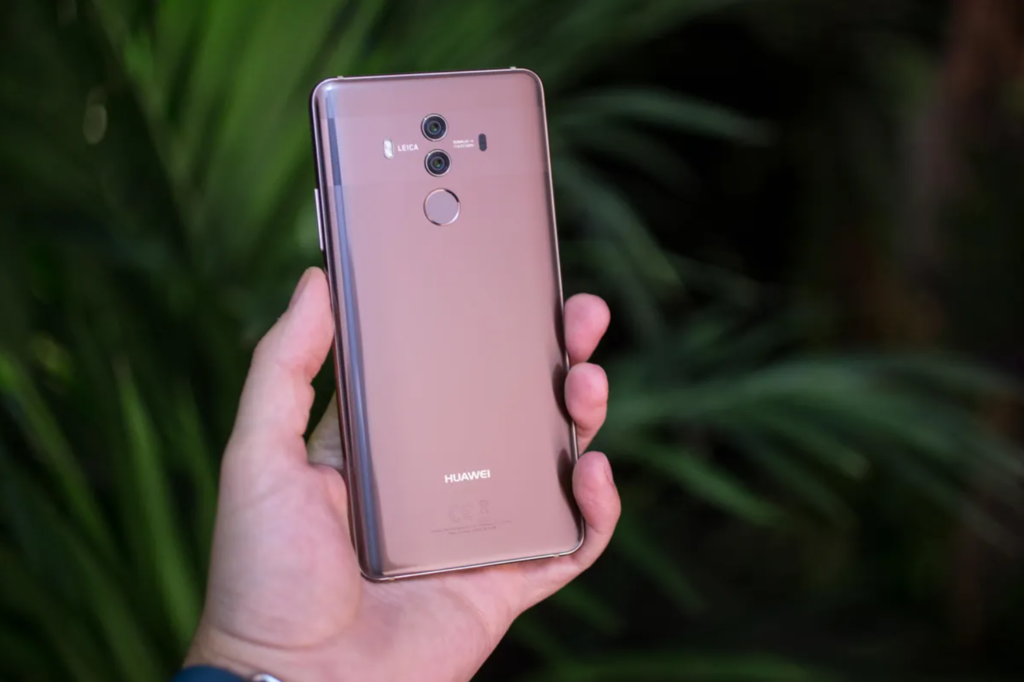
With no new significant partnerships in sight since the sanctions, there has been a gradual shift from mainstream carrier distribution to mainstream retail. Essentially carving out a unique pathway for global smartphones in North America today.
Nothing and OnePlus are spearheading this approach that bypasses carrier partnerships entirely, by targeting the unlocked smartphone segment through Best Buy.
Redmagic smartphones, a gaming-focused sub-brand of Nubia Technology, are now available through their website, luring North American consumers by providing warranty, 15-day returns, free shipping, and secure checkout via digital wallets.
As a result, the North America tech scene is witnessing a renewed push by global smartphones to gain consumer attention. How this plays out over the next few years will determine if the shift will be successful or if history will repeat itself.
But why does this matter in the interim? You might ask.
For now, there are new notable consumer impacts from more global smartphones becoming available in North America.
What This Means for Consumers
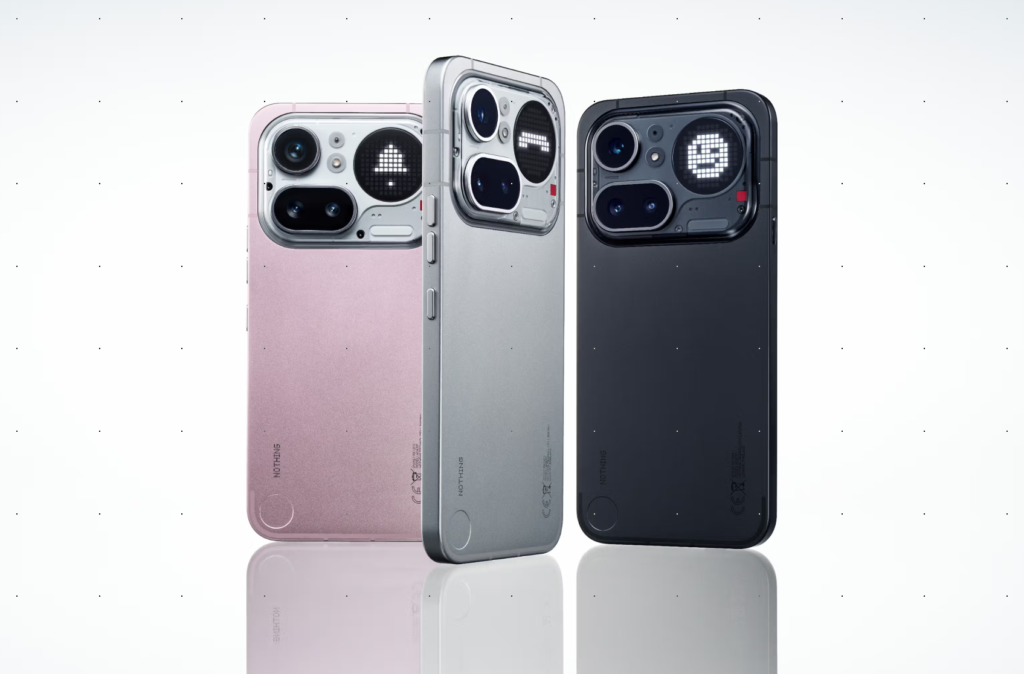
For starters, users have more choices (in the Android space).
OnePlus with their “flagship-killer” philosophy offers top-tier specs similar to tiers from Apple, Samsung, and Google, at a more mid-range price point.
Nothing and Redmagic are winning on design. Nothing’s “Aesthetics-first” reform has consumers rethinking Apple’s industrial design and the detached slab form.
Redmagic is pretty much the only brand that still brings high-end gaming smartphones to North American users since the Razer phone was discontinued in 2022. ASUS confirming their exit early this year only made the former even more true.
Retail-level Availability
Beyond choices, there are benefits from low-risk access to these smartphones (especially OnePlus and Nothing).
At the user’s end, you get access to purchasing models that North American users prioritize;
- Best Buy Financing
- Return and exchange
- The manufacturer’s warranty is also available to cover parts and labour for a 1-year term.
- Best Buy’s Low Price Guarantee — Unfortunately, until there’s another brand-authorized retailer physically located in Canada (or the U.S.) to compare prices directly, these smartphones won’t qualify.
For the brands, it’s a great model because they get to make less complicated commitments and they get higher pricing control in return.
Increased Price Pressure
Any outlier brand that intends to compete favourably in North America must be prepared to undercut the “Big Three” where it hurts—at price points.
More unlocked smartphone options at Best Buy and any other brand-authorized retailer, will increase price pressure for Apple, Samsung, and Google.
More competition overall, will mean more innovation and more thorough pricing evaluation.
When you have access to global brands that offer flagship features at price points set for mid-rangers, market behaviour and sentiments are bound to shift.
It’s a much needed development, especially since prices are rising across brands and lineups.
OnePlus’ Reality Check
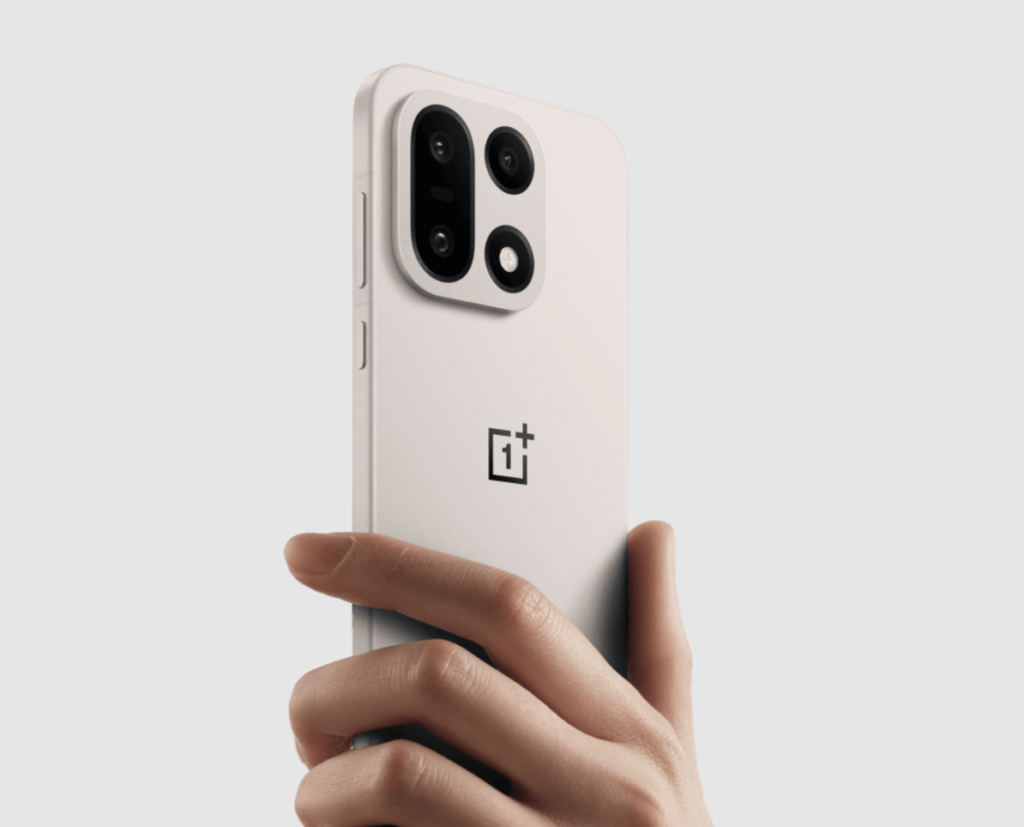
The anomaly with OnePlus is one that plays back in a loop like a broken record.
We should be celebrating the arrival of OnePlus on Best Buy’s shelves. But we are constantly hit with uncertainty from their shutdown rumors.
On the good hand, it’s still business as usual at the time of this post, and OnePlus fans haven’t had to jump ship.
It’s hard to make out the truth from rumours, so I tend to look out for formal statements from Brand officials.
For now, the main impact of the rumours is fear (as expected with rumours). Uncertainty around software and security support will cause consumers to second-guess their purchasing decision.
Brand direction would be critical at this point, especially since Robin Liu’s resignation (OnePlus India CEO).
What About Software Support?
Software support and security patching is huge for North American users.
As far as I know, the modern industry average has been 4 years of Android OS upgrades and security patches.
Nothing took a major leap compared to the Nothing Phone 2, to offer an impressive 5 years of major Android OS upgrades and 7 years of security patches on the Nothing Phone 3.
OnePlus also offers a good 4 years of major Android OS updates and 6 years of security patches on the OnePlus 15 and 15R.
So, in the smartphone “Value vs Sustainability” evaluation, Nothing and OnePlus smartphones turn out to be great deals indeed.
Redmagic’s offering is on the thinner end with only 2 years of major Android OS updates for REDMAGIC 11 Pro and newer. In Canada (and other non-EU/UK regions), we get 3 years of security updates, EU/UK consumers get 5 years.
Though hardware demand grows quickly in the gaming segment, it’s still worth considering if you’ll be in the market for a Redmagic phone.
The Bigger Picture for Global Smartphones in North America
Despite the longer post body, the bottom line is simple.
The failure of Chinese OEMs in the past has triggered a broader shift that’s caused global brands to approach the North America market with caution.
They are implementing newer, lighter economic models that enable them to test the waters without fully committing.
The best part being users’ access again, to more Android options and lower prices. With that will come the need to consider long-term reliability as a possible trade-off.
Mainstream consumers will likely still default to North-American-based ecosystems.
The Spec-savvy, value-conscious, and early adopters will benefit firstly, followed by users already on the fence (especially ones that end up reading this post).
Are you one of them? Hit me up in the comments.