
Overview (Generated by Yoast)
- Smartphone cameras are evolving through new partnerships with renowned optics brands like Leica, Zeiss, and Hasselblad.
- These collaborations shift smartphone photography from incremental upgrades to features targeting content creators and professional use.
- Smartphones now integrate unique imaging styles, offering consumers distinct photographic identities and creative tools.
- Chinese brands leverage these partnerships to enhance brand reputation and justify premium pricing for advanced camera technology.
- The market now focuses on the utility of smartphone cameras as professional tools, appealing to users seeking high-quality photography experiences.
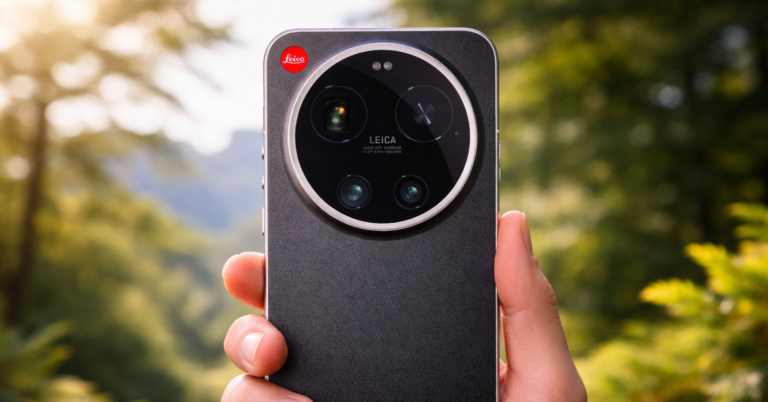
Leica, Zeiss, Hasselblad — some of the biggest names in camera optics. Names we thought we’d lose touch with when smartphone cameras became popular.
Thankfully, its been quite the opposite.
We’re witnessing increased partnerships with smartphone brands to develop imaging systems.
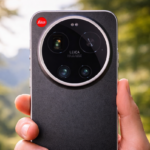
Xiaomi/Leica Camera, Vivo/Zeiss, and Oppo/Hasselblad are some of the smartphone camera partnerships that were established within the past 6 years.
If I weren’t writing this, I wouldn’t care to ask why. I’d just revel in the movement and be excited that these brands found a way to evolve.
But I am so, let’s take a journey into the trend to see if there’s a deeper meaning to be unraveled, and how it might influence your smartphone (and camera) choice.
/ CNET
Some Historical Context
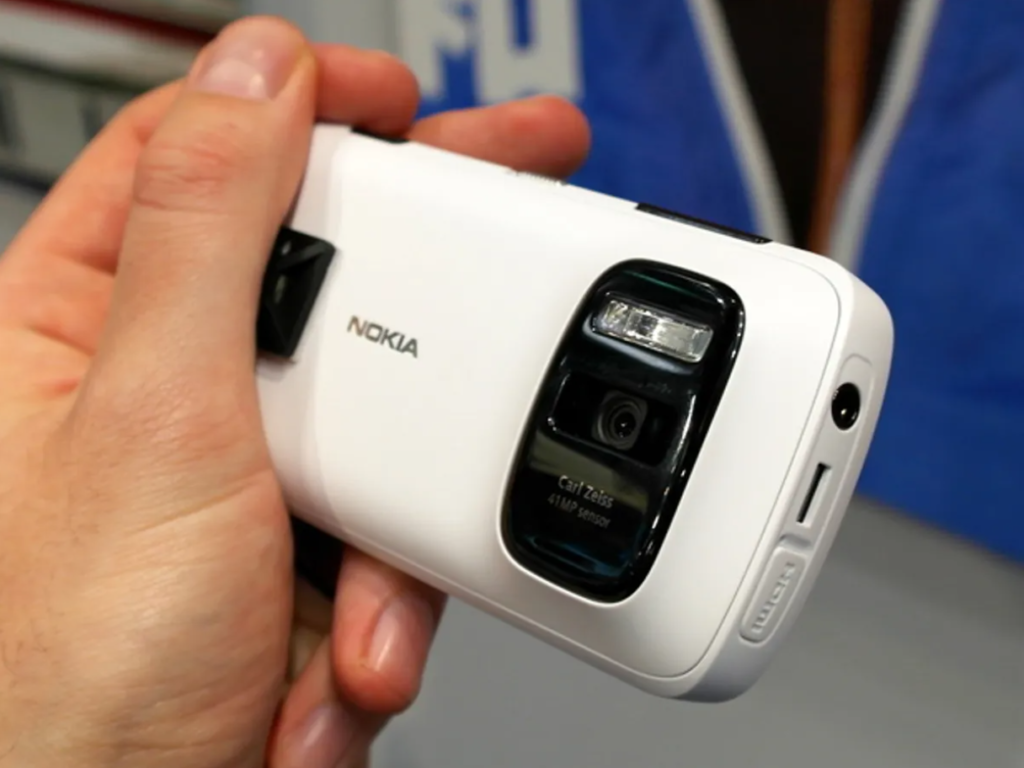
Smartphone camera partnerships aren’t entirely new. Nokia/Zeiss and Motorola/Hasselblad date back to the mid-2000s and 2010s.
At the time, the goal was for smartphone brands to be associated with superior optics, boosting their reputation overall.
Why The New partnerships?

That objective changed over time and in today’s mature market, smartphone brands are more concerned with standing out.
Banking on legacy brands’ unique optical science and technology is one way they figure that their smartphone camera enhancements can feel much more than incremental.
Mobile imaging is also evolving past just serving camera hardware components to forming part of new technologies that feed into brand philosophies and ecosystems.
This (in a nutshell) explains the new partnerships, like Honor’s partnership with ARRI.
Smartphone Cameras and The Consumer’s Angles
As these brands cement old partnerships and form new ones, they create a shift in smartphone economics and functionality that also affect how consumers consider smartphones (and their cameras).
Creator Tools
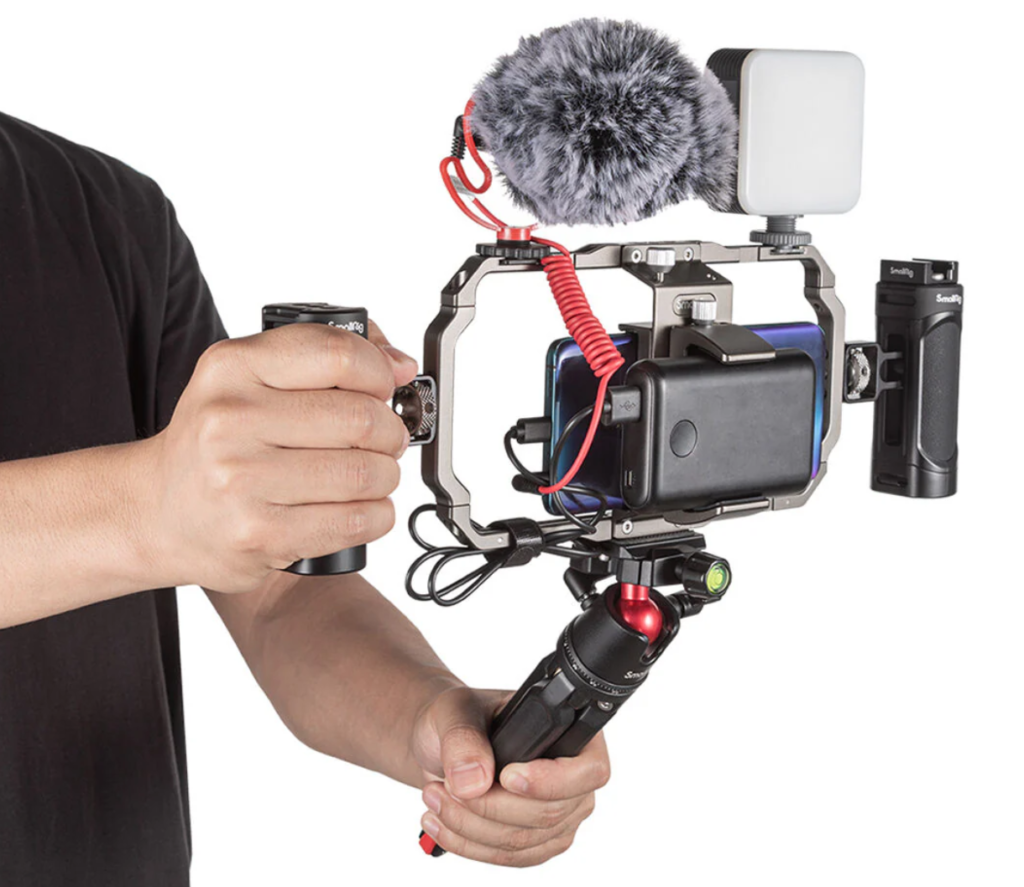
New smartphone camera features are increasingly shifting from conventional increments to content-focused technologies.
Video profiles, color pipelines, and advanced stabilization features hint at smartphones (especially flagship phones) targeting production-focused utility for content creators, video producers, and photography enthusiasts.
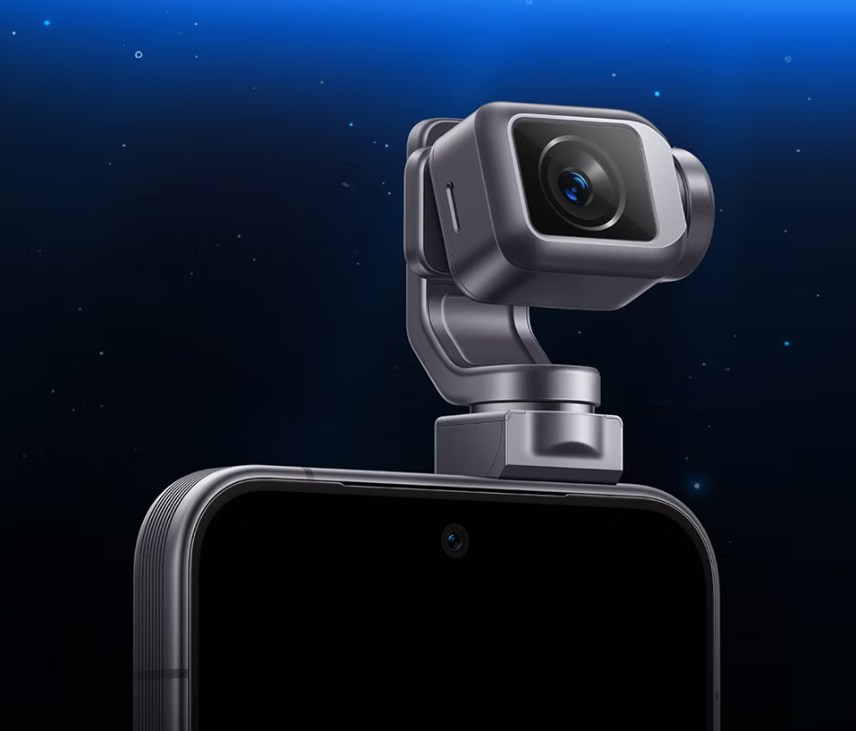
Take Honor’s recent announcement of their Robot Phone at MWC 2026. Its new robot-grade gimbal aims to deliver optimal image stabilization, capture all angles in-motion, and facilitate real-time communication.
If this doesn’t scream “smartphones are becoming creator tools!”, I don’t know what does.
Photographic Identities

One of the main goals of smartphone camera partnerships is to integrate unique imaging styles into the camera app.
As a consumer choosing a camera, you will also be inheriting the brand’s visual style.
Yes, you can skip the pre-processing filters and just point-and-shoot. But the styles can save you time and effort spent in post.
Let’s look at some examples.
- Leica Looks has their imaging styles integrated into the Leitzphone, phones with Xiaomi and Leica Partnership, and through select apps on iPhone and Android.
- Zeiss brings their Bokeh photo and video style mainly to Vivo X series and V series. They also have a dedicated Natural Colour look, if that’s up your alley.
- ARRI‘s collaboration with Honor is new but will be focused on harnessing their image science for high-end filmmaking, and set to debut on the Robot Phone.
Brand Image
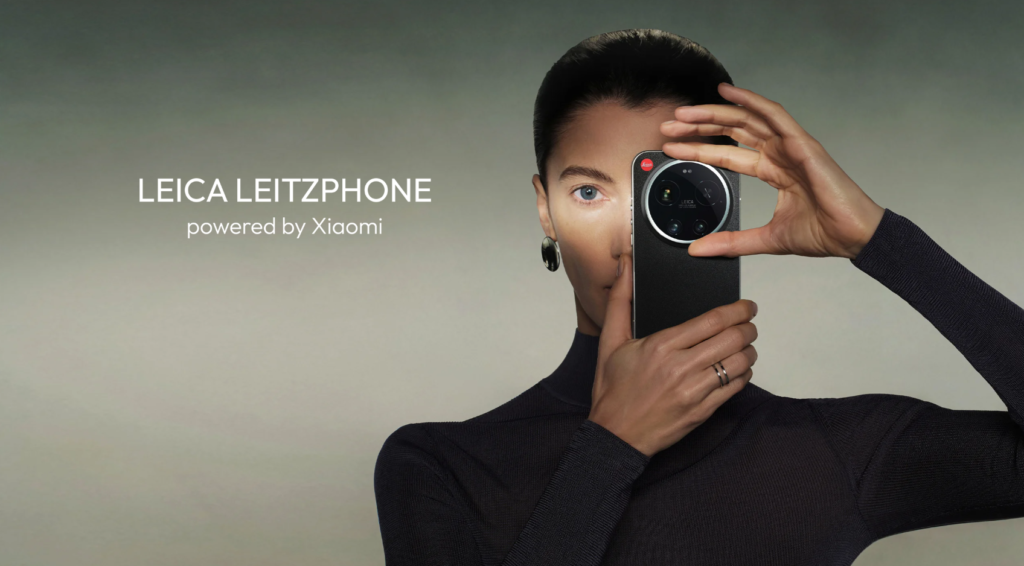
Using smartphone camera partnerships to boost brand reputation and move up the premium ladder is very much still a thing.
In this era though, its more common with Chinese smartphone brands. They usually start out with the flagship-killer strategy and then pivot towards premium delivery once they gain traction.
Since these partnerships aim to deliver flagship camera experiences, consumers stand to benefit from more innovation-driven collaborations, rather than traditional stand-alone hardware increments.
Suddenly, you’ll be considering buying into a more premium and creative brand for the sake of access to their camera technology.
Premium Experience = Premium Price Tag
Smartphone camera partnerships deliver a more premium experience (at least that’s the goal). Premium experiences justify higher prices.
Unlike mulling over conventional increments in camera tech, you’ll be looking at the potential to own a creator tool, benefit from distinctive photographic identities, or buy into a premium brand.
As a result, you’ll also be looking at a shift in your evaluation—will this camera technology match my style?
Though a premium price is now on the table, the question is no longer about how good the camera is, but how well it suits you.
The Round-Up
Long story short, there’s a deeper meaning or shift that applies to flagship smartphone cameras in general (especially from Chinese brands).
The new partnerships are creating a transition from a photography standpoint to the realm of cinematography.
Features will come with their benefits and trade-offs;
Colour Science for example, comes with instant access to distinct looks right in the view finder, but will also create lock-in to a brand’s visual style.
Hardware like Honor’s gimbal on the Robot Phone integrates pro-level control into the smartphone, but will also mean higher price points.
Despite the premium costs, they provide a level of utility that caters to the pro or power user, skipping the point-and-shoot patron.
Meaning that overall interest will increasingly be from the consumer group that considers the smartphone camera a professional tool.
What’s your take on smartphone camera partnerships? Let me know in the comments.